waste
wandsworth.gov.uk
Wandsworth Borough Council – Asbestos Removal
Explains how the council regulates domestic asbestos disposal and how local residents can access collections for properly wrapped cement asbestos.
When you are planning building alterations, managing a residential block, or dealing with suspected asbestos materials in a London property, having direct access to official guidance makes decisions much simpler. Below is our directory of verified resources covering hazardous waste collection, building control, health and safety duties, and consumer protection across Greater London.
Use these official links to check local authority hazardous waste schemes, UKAS accreditation details, safety guidance for domestic refurbishment work, and homeowner responsibilities before starting site work.
Explains how the council regulates domestic asbestos disposal and how local residents can access collections for properly wrapped cement asbestos.
Allows London householders to arrange a subsidised doorstep collection of wrapped bonded asbestos sheets and packaged building rubble.
Clarifies why local civic amenity sites cannot accept hazardous asbestos waste and outlines compliant disposal options for residents.
Provides direct answers from the Health and Safety Executive on handling asbestos in residential properties and when sampling is needed.
Outlines which high-risk asbestos materials strictly mandate the appointment of an HSE-licensed removal contractor.
Offers practical advice for homeowners on identifying asbestos risks in domestic properties and managing remediation work.
Explains national statutory requirements for consignment notes, safe carriage, and legal duty of care when transporting asbestos off-site.
Understanding how local rules work on the ground saves time and prevents costly delays once your builders arrive on site. Whether you are renovating an ex-local authority flat in the London Borough of Lewisham or replacing a corrugated cement garage roof in Ealing, hazardous materials must be identified and handled using strict protocols.
Before knocking through a kitchen wall, lifting old thermoplastic floor tiles, or skimming over textured Artex ceilings, contractors need to know whether asbestos fibres are present. A targeted Refurbishment and Demolition (R&D) survey inspects behind boxing, beneath floor coverings, and inside ceiling voids so contractors do not accidentally disturb hidden boards or insulation.
Visual guesses are never accepted by mortgage lenders, insurers, or building control officers. BPS is a UKAS-accredited inspection body, and every bulk sample we extract on site is double-bagged, sealed, and tested by an independent UKAS-accredited laboratory to confirm the exact fibre type.
Asbestos cement sheets, downpipes, vinyl tiles, and bitumen adhesive can never be placed in a standard builders' skip or taken to a normal household recycling centre without prior arrangement. When we carry out non-licensed removal, materials are dampened, removed intact without mechanical cutting, sealed in UN-approved red and clear hazardous waste sacks, and transported with full waste consignment documentation.
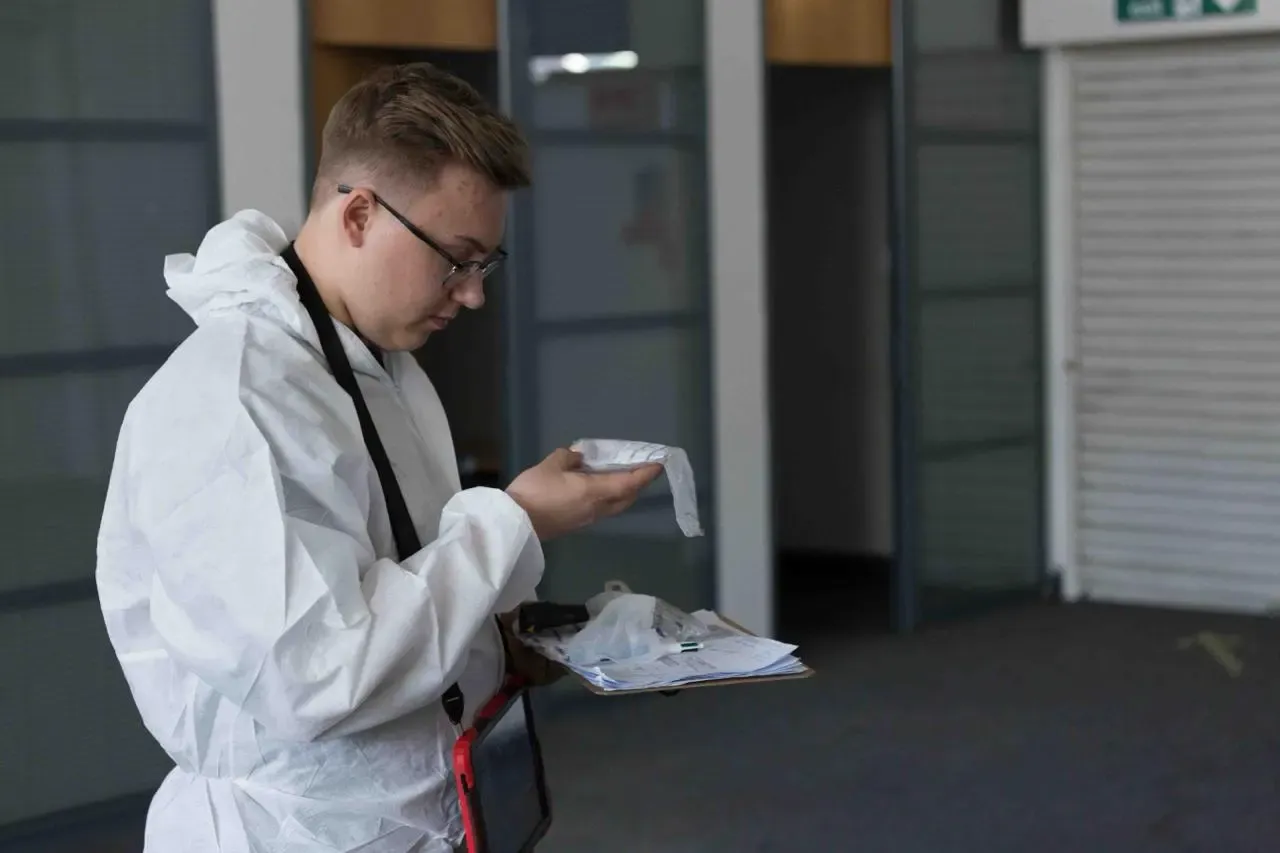
On-Site Protocol
Every bulk sample is extracted using fibre-suppressing wetting agents, sealed inside two polythene containment bags, and the sample point is encapsulated before we leave the room.
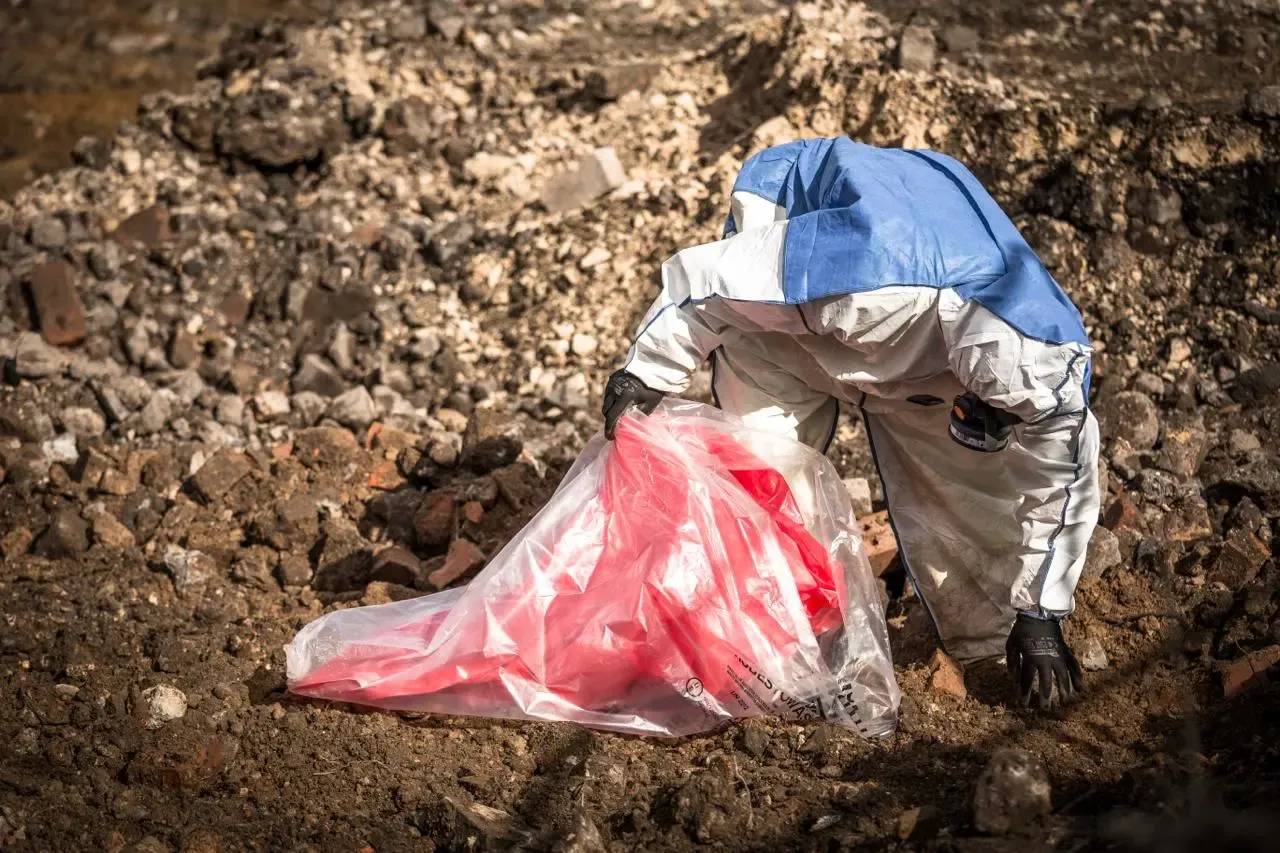
Compliant Waste Handling
Non-licensed asbestos materials are double-bagged in UN-approved hazardous waste packaging for legal disposal across Greater London.
If you have uncovered textured coatings, floor tiles, cement panels, or insulating board in a Greater London property, speak directly with our surveying team. We provide clear advice, fast sample testing, and accredited survey reports without sales pressure.