Is Black Bitumen Floor Adhesive Safe to Leave Down?
Found black tar adhesive or 9-inch vinyl tiles under old carpets? Learn how to test for asbestos and whether to screed over or remove it safely.
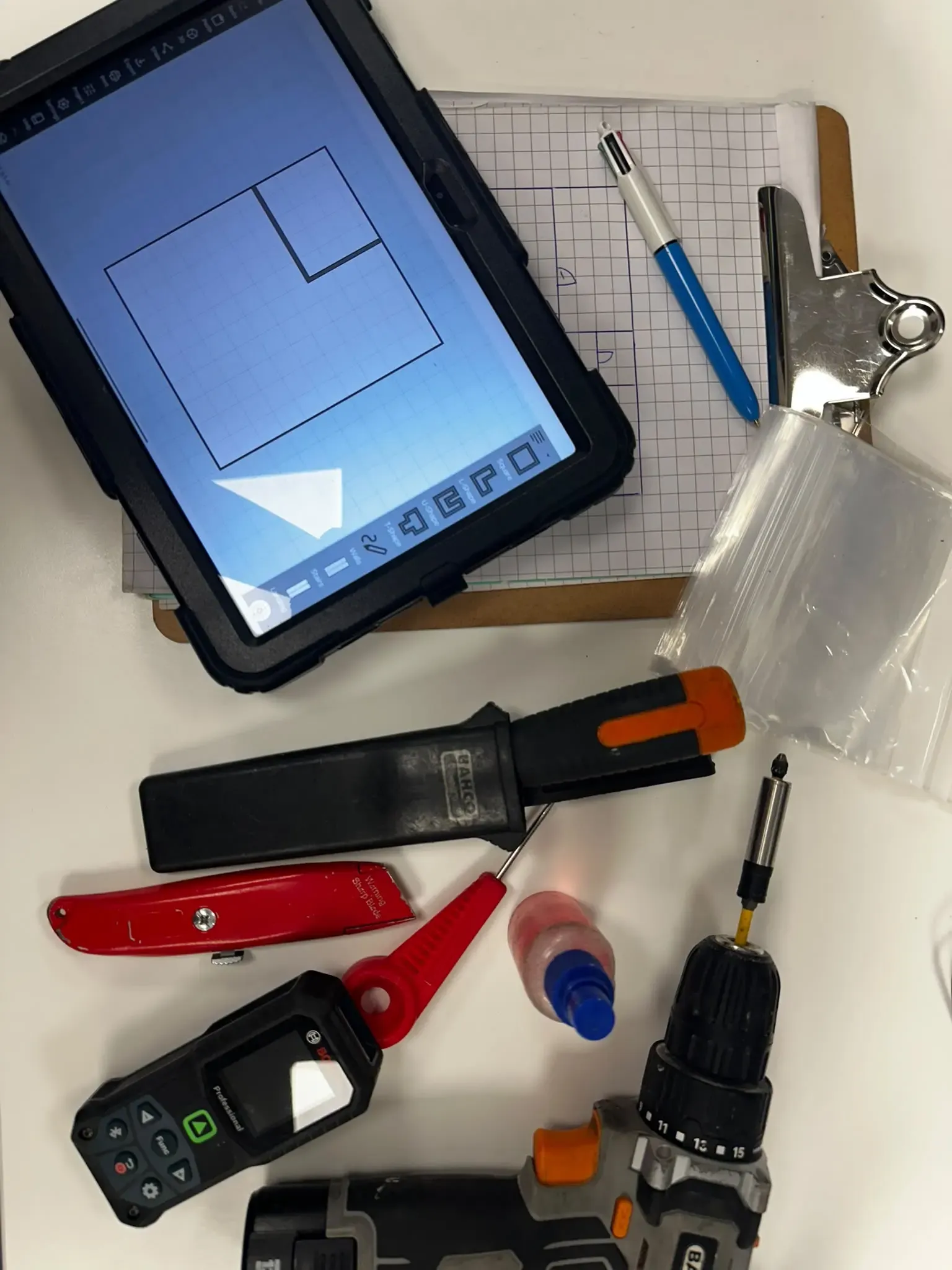
Discovering suspected asbestos during a property purchase or renovation project causes understandable concern. Operated by BPS, Asbestos in Homes has compiled straightforward, practical guides to help London homeowners, buyers, and landlords understand how suspected materials are identified, sampled, and managed safely on site.
Each guide breaks down real-world scenarios our surveyors inspect daily across Greater London—from checking textured Artex ceilings before plastering and lifting old vinyl floor tiles, to understanding the difference between a standard pre-purchase management survey and an intrusive refurbishment inspection.
Found black tar adhesive or 9-inch vinyl tiles under old carpets? Learn how to test for asbestos and whether to screed over or remove it safely.
Practical guidance for landlords and block managers on sharing updated asbestos registers with plumbers and electricians before maintenance work begins.
See what an asbestos surveyor checks, samples, and seals before you exchange contracts—without damaging the seller's decor—and how to read your report.
See how asbestos cement garage roofs, soffits, and gutters are safely dismantled intact, double-wrapped, and legally disposed of across London.
Any residential property built or refurbished before the year 2000 can contain asbestos-containing materials (ACMs). In London properties—such as 1960s and 1970s townhouses and infill developments in areas like Blackheath or Highgate—asbestos was frequently used inside warm-air heating cupboards, cement flue pipes, under-window insulating panels, and beneath modern floor coverings.
Because chrysotile (white), amosite (brown), and crocidolite (blue) fibres are microscopic and mixed into the parent cement, resin, or plaster matrix, visual inspection alone cannot confirm whether a board or textured coating is asbestos-free. When our surveyors take a bulk sample, we dampen the area with a fibre-suppressing wetting agent, extract a small cross-section down to the substrate, double-bag the material in sealed polythene, and encapsulate the sample point with sealant before dispatching it to an independent UKAS-accredited testing laboratory.
Pre-purchase management surveys locate accessible ACMs and assess their surface condition so you understand any maintenance liabilities before exchange.
Refurbishment and demolition (R&D) surveys inspect hidden voids, bath panels, and partition walls before builders start structural work.
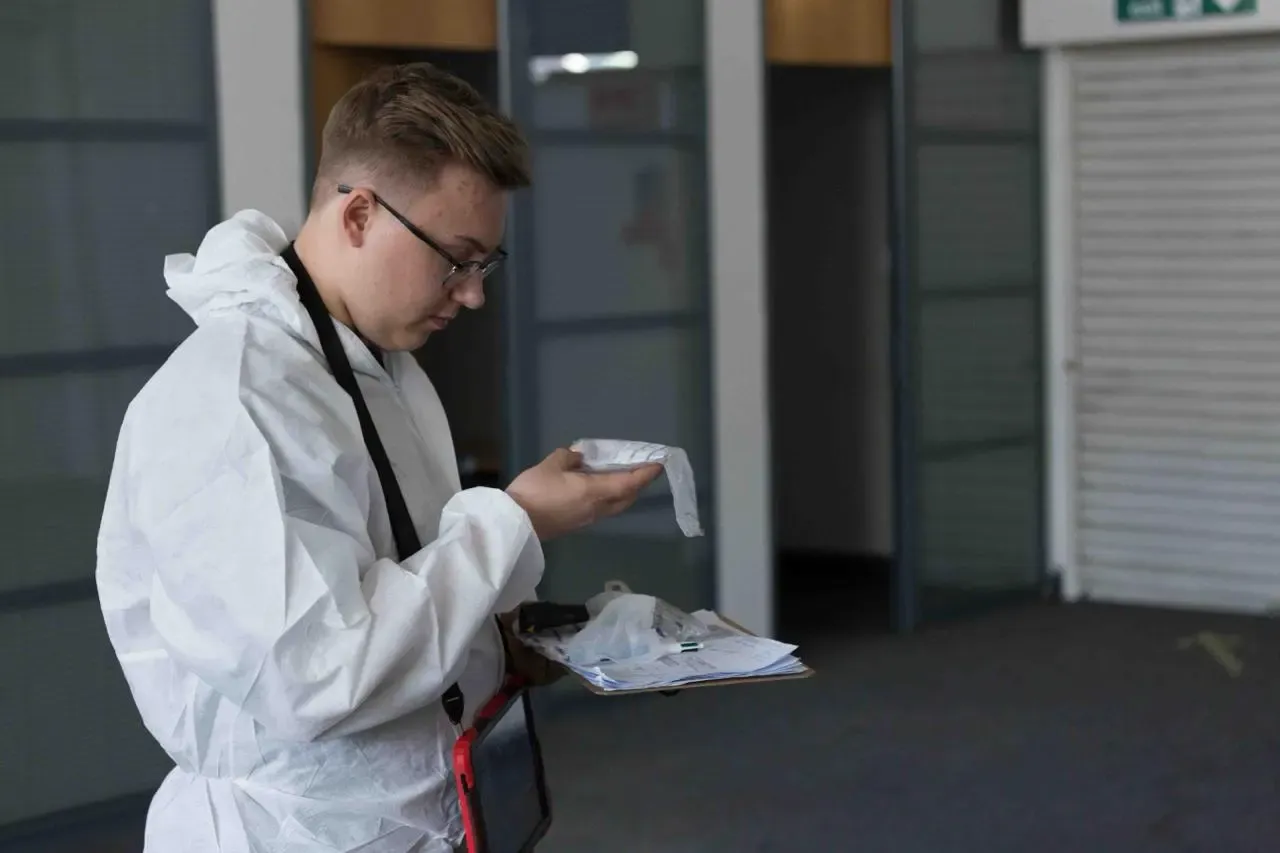
Controlled On-Site Sampling
All bulk samples collected by BPS surveyors are double-bagged, logged against your property floor plan, and analysed by an independent UKAS-accredited laboratory.
If your builder has paused work after uncovering suspect floor tiles, a textured ceiling, or an old garage roof sheet, speak directly with our surveying team. Tell us what work you have planned and we will advise whether you need single-sample laboratory testing, a management survey, or an intrusive R&D inspection.